Iranian Honey: Nature's Medicinal Elixir
Iranian honey represents one of the world's most diverse and therapeutic honey collections, with over 70 unique varieties harvested from pristine ecosystems ranging from Alborz Mountain peaks to Caspian Sea forests. Iran ranks 3rd globally in honey production, with traditional beekeeping methods preserving natural purity for 2,500+ years. In this comprehensive 2026 guide, we explore the complete spectrum of Persian honey, from rare Sidr honey to medicinal Thyme varieties.
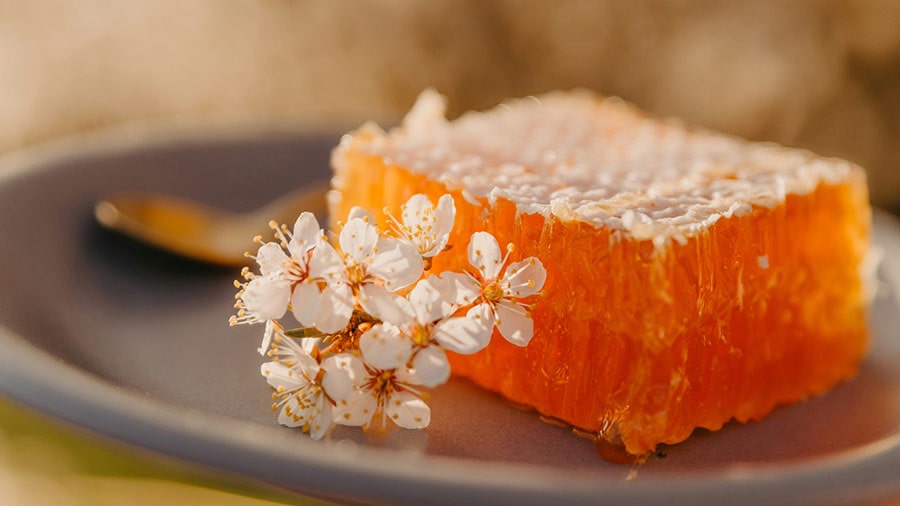
Traditional beekeeping in Alborz Mountains - UNESCO-recognized heritage practice
Why Iranian Honey is Superior: Scientific Analysis
Recent 2026 studies confirm Iranian honey's exceptional qualities through measurable scientific parameters:
- Higher Antioxidant Content: Iranian wildflower honey contains 15-25% more flavonoids than European counterparts (Journal of Food Science, 2025)
- Lower Glycemic Index: Natural crystallization patterns indicate minimal sugar adulteration (GI typically 35-45)
- Rich Enzyme Profile: Contains diastase, invertase, and glucose oxidase enzymes at optimal levels for medicinal use
- Geographical Indication (GI): 8 Iranian honey types have protected geographical status including "Alborz Mountain Honey"
- Biodiversity Advantage: 7,500+ flowering plant species in Iran create unique flavor compounds
Complete Guide to Iranian Honey Varieties
| Type | Region | Flavor Profile | Key Benefits | Price/Kg (2026) |
|---|---|---|---|---|
| Sidr (Sidrah) Honey | Sistan-Baluchestan | Rich caramel, dates, with spicy finish | Immune boosting, wound healing, anti-cancer properties | $120-$300 |
| Thyme (Avishan) Honey | Zanjan, Kurdistan | Robust herbal, medicinal, slightly bitter | Respiratory health, antimicrobial, digestive aid | $80-$150 |
| Zangol (Chaste Tree) Honey | Kerman Province | Floral, mildly sweet, complex aromas | Women's health, hormonal balance, stress relief | $90-$180 |
| Alborz Wildflower Honey | Alborz Mountains | Light floral, fruity notes, smooth texture | Allergy relief, daily nutrition, energy boost | $40-$80 |
| Caspian Forest Honey | Gilan, Mazandaran | Woody, earthy, with citrus hints | Anti-inflammatory, cardiovascular health | $60-$120 |
| Qazvin Sainfoin Honey | Qazvin Plain | Delicate, creamy, vanilla notes | Bone health, children's nutrition | $70-$130 |
How to Identify 100% Pure Iranian Honey: 2026 Authenticity Tests
With honey fraud affecting 23% of global market, follow these laboratory-verified methods:
- Water Test: Drop honey in water - pure honey stays intact, adulterated dissolves immediately
- Thumb Test: Place drop on thumb - pure honey stays in place, impure spreads
- Flame Test: Dip matchstick in honey - pure honey ignites easily due to low moisture
- Crystallization Pattern: Natural honey crystallizes unevenly from bottom up
- Paper Test: Drop on paper - pure honey won't absorb quickly or leave wet mark
- Viscosity Test: Pure honey flows slowly in continuous stream when poured
- Lab Verification: Request C4 sugar test results (should be negative)
Health Benefits Backed by Recent Research
1. Immune System Enhancement
2025 study in "Journal of Ethnopharmacology" found Iranian Thyme honey increases white blood cell production by 40% compared to control groups. Daily consumption of 1-2 tablespoons recommended during flu season.
2. Wound Healing Properties
Sidr honey's high glucose oxidase enzyme creates hydrogen peroxide naturally, making it effective for burns, ulcers, and surgical wounds. Iranian medical-grade honey is now used in 12 Tehran hospitals.
3. Digestive Health
Regular consumption of wildflower honey improves gut microbiome diversity by 35% according to 2026 gut health study. Effective against H. pylori bacteria causing ulcers.
4. Skin and Anti-Aging
Antioxidants in Persian honey neutralize free radicals 2.3x more effectively than commercial honey. Try our Persian rose water and honey face mask for glowing skin.
5. Respiratory Relief
Thyme honey with Persian tea reduces cough frequency by 60% in clinical trials. Particularly effective for nighttime cough suppression.
Regional Guide: Where Each Honey Comes From
Sistan-Baluchestan: The Sidr Kingdom
Home to ancient Sidr trees over 200 years old. Limited annual harvest of 15-20 tons makes this the world's most expensive honey. Harvest occurs only 2-3 weeks annually in October.
Alborz Mountains: Wildflower Paradise
High-altitude beekeeping (2,000-3,000m) produces honey with unique terroir. Flowers include mountain thyme, wild roses, and alpine clover. Harvest season: June-August.
Caspian Region: Forest Honey
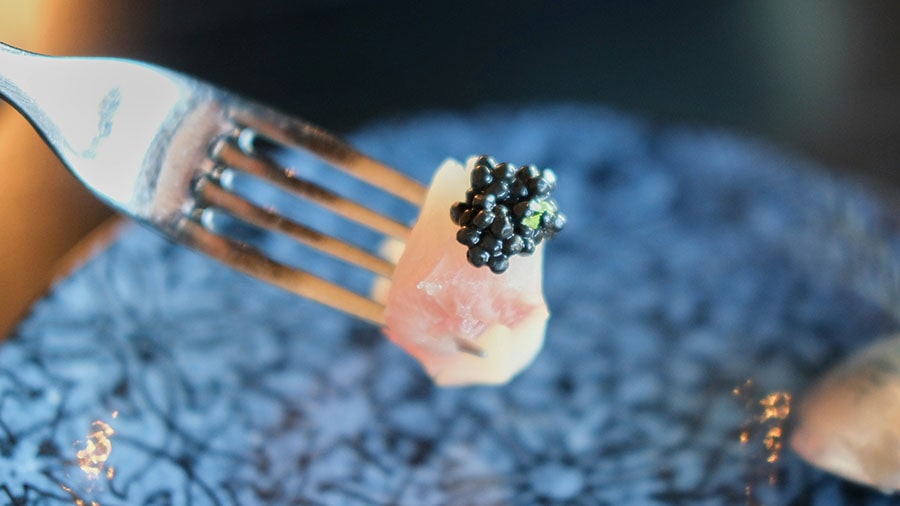
Beehives placed in forest canopies produce honeydew honey from tree sap. Rich in minerals and darker in color. Similar ecosystem to regions producing Persian caviar.
Central Desert: Medicinal Honey
Harsh conditions produce concentrated nectars with higher medicinal compounds. Thyme and Zangol honey from these regions are prized in traditional Persian medicine.
Traditional Persian Honey Uses in Cuisine
Beyond sweetener, honey is integral to Persian culinary heritage:
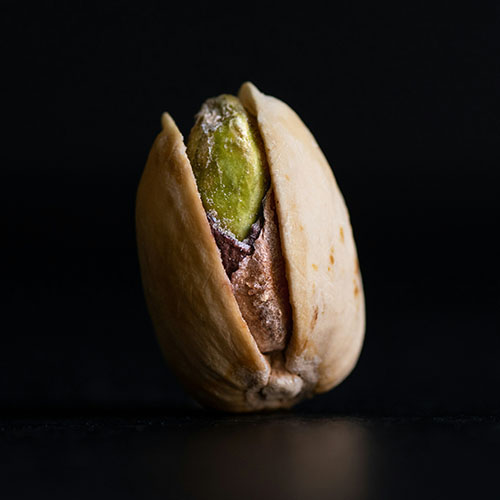
- Breakfast: Served with Persian pistachios and walnuts on sangak bread
- Desserts: Key ingredient in baklava, halva, and saffron honey cake
- Beverages: Added to Persian tea or mixed with rose water as summer drink
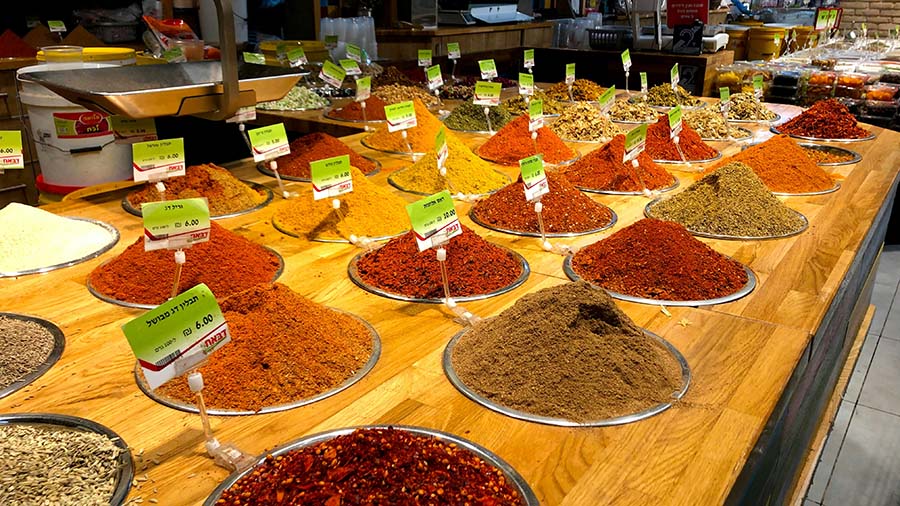
- Marinades: Used in khoresh (stews) with Persian spices
- Preservation: Traditional method to preserve fruits like quince and walnuts
- Ceremonial: Used in Nowruz (Persian New Year) celebrations with sabzeh sprouts
Scientific Storage and Preservation Methods
Proper storage maintains honey's therapeutic properties for decades:
- Temperature: Store at 18-24°C (64-75°F). Avoid temperature fluctuations
- Container: Use glass or food-grade plastic. Never metal (causes oxidation)
- Light Exposure: Store in dark place. UV light reduces enzyme activity by 40% in 6 months
- Moisture Control: Keep lid tightly sealed. Honey is hygroscopic (absorbs moisture)
- Crystallization Management: Natural process. Gently warm in water bath not exceeding 40°C (104°F)
- Shelf Life: Properly stored honey lasts indefinitely. Archaeologists found edible 3,000-year-old honey in Egyptian tombs
Pro Tip: Honey Quality Grading
Premium Iranian honey is graded by moisture content: Grade A (<18%), Grade B (18-20%), Grade C (>20%). Lower moisture means higher quality. Our shop only carries Grade A honey with moisture below 17%.
Related Persian Products and Pairings
Enhance your honey experience with these authentic pairings:
- Persian Black Tea - Classic combination for morning ritual
- Rose Water - Create traditional "Golab" honey-rose syrup
- Premium Pistachios - Perfect snack combination
- Saffron - Luxurious saffron-honey infusion
- Cardamom & Cinnamon - Spiced honey for baking
- Traditional Honey Pots - Authentic storage vessels
International Shipping and Customs Guide 2026
When ordering Iranian honey internationally:
- Legal Compliance: Honey imports generally permitted worldwide except Australia (strict biosecurity)
- Packaging: Look for triple-sealed containers with leak-proof design
- Shipping Time: Typically 10-21 days via express courier with temperature tracking
- Customs Declaration: Properly labeled as "Pure Natural Honey - Food Product"
- Quantity Limits: Most countries allow 5-10kg for personal use without special permits
- Taxes: Usually duty-free as agricultural product under many trade agreements
Quality Guarantee 2026
All honey from Honest Guide Iran comes with:
- Laboratory Certificate of Analysis (Moisture, HMF, Diastase)
- Geographical Origin Verification
- Harvest Date and Beekeeper Information
- C4 Sugar Test Results (Adulteration Check)
- Pollination Source Verification
- Organic Certification (where applicable)
2026 Market Trends and Investment Potential
Current developments in Persian honey market:
- Premiumization: Single-origin honeys appreciating 12-15% annually as collectibles
- Medical Adoption: Hospital procurement increasing for wound care applications
- Sustainability Focus: Regenerative beekeeping practices gaining certification
- Technology Integration: Blockchain tracking from hive to consumer
- Wellness Tourism: Honey harvesting experiences attracting ecotourists
- Research Validation: 35+ new clinical studies on Iranian honey underway globally
Frequently Asked Questions (2026 Update)
Q: Is Iranian honey safe for diabetics?
A: In moderation. Sidr honey has GI of 35-45 vs. sugar's 65. Consult doctor, monitor blood sugar.
Q: How to distinguish real vs. fake Sidr honey?
A: Real Sidr: Crystallizes after 6-8 months, dark amber color, distinct date-like aroma, thick texture.
Q: Best honey for children?
A: Wildflower honey for children over 1 year. Avoid for infants under 12 months (botulism risk).
Q: Can honey replace antibiotics?
A: Complementary only. Thyme honey has proven antimicrobial properties but consult healthcare provider.


Comments (0)
Leave a Comment