Why Persian Caviar is Revered as the World's Finest
Iran's Caspian Sea region produces what is universally acknowledged as the world's most exquisite caviar. For centuries, Persian caviar has symbolized ultimate luxury, gracing royal tables and exclusive celebrations. The unique combination of pristine Caspian Sea waters, specific sturgeon species native to Iranian waters, and centuries-old harvesting traditions creates a product that cannot be replicated elsewhere. Persian caviar represents more than just a luxury food item; it embodies a cultural heritage and artisanal tradition passed down through generations of skilled Iranian caviar masters.
The distinctive taste profile of authentic Persian caviar features a perfect balance of briny freshness, buttery richness, and subtle nutty undertones. Unlike caviar from other regions, Persian caviar maintains a remarkable consistency in egg size, texture, and flavor complexity. This consistency results from Iran's strict quality control measures, sustainable harvesting practices, and the optimal environmental conditions of the southern Caspian Sea, where the water's unique mineral composition contributes to the caviar's exceptional characteristics.
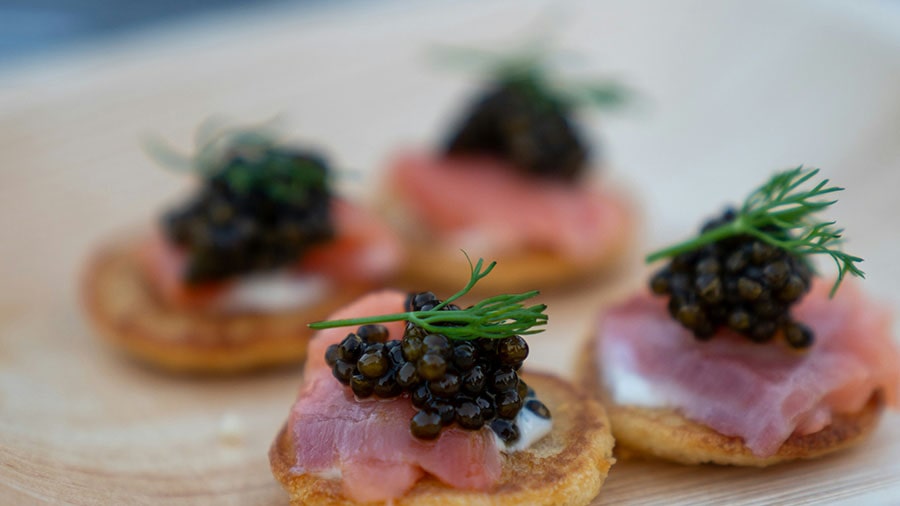
Traditional caviar harvesting along Iran's Caspian Sea coast - where the world's finest Persian caviar originates
Comprehensive Guide to Persian Caviar Varieties
Iran produces several distinct caviar varieties, each with unique characteristics, flavor profiles, and culinary applications. Understanding these varieties is essential when selecting authentic Persian caviar.
| Variety | Description & Characteristics | Flavor Profile | Best For | Sturgeon Species |
|---|---|---|---|---|
| Beluga Caviar | Largest caviar eggs (3-3.5mm), glossy light to dark gray color, delicate texture, most prestigious variety | Buttery, creamy, with subtle oceanic notes and clean finish | Ultimate luxury occasions, exclusive celebrations, prestigious gifting | Huso huso (Beluga sturgeon) |
| Ossetra Caviar | Medium-sized eggs (2.5-3mm), golden brown to dark brown color, firm texture with excellent pop | Nutty, complex, with hints of walnut and sea brine, longer finish | Gourmet dining, sophisticated pairings, fine dining restaurants | Acipenser gueldenstaedtii (Russian sturgeon) |
| Sevruga Caviar | Smallest eggs (2-2.5mm), dark gray to black color, intense flavor, most accessible premium variety | Bold, briny, pronounced oceanic flavor with crisp finish | Everyday luxury, appetizers, canapés, introductory caviar experiences | Acipenser stellatus (Stellate sturgeon) |
| Imperial Caviar | Rare golden eggs, naturally occurring in Ossetra, considered the rarest caviar type | Exceptionally rich, buttery, with complex flavor layers | Ultimate luxury experiences, royal celebrations, collector's items | Acipenser gueldenstaedtii (rare golden mutation) |
| Sterlet Caviar | Very small gray eggs, traditional Persian variety, less common internationally | Delicate, subtle, slightly sweeter than other varieties | Traditional Persian cuisine, local delicacies, cultural experiences | Acipenser ruthenus (Sterlet sturgeon) |
Nutritional Profile and Health Benefits of Persian Caviar
Persian caviar is not only a luxury delicacy but also a nutritional powerhouse. A 1-ounce (28g) serving of premium Persian caviar contains approximately:
- Heart Health: Exceptionally high in Omega-3 fatty acids (EPA and DHA) that reduce inflammation, lower blood pressure, and improve cardiovascular function. Contains antioxidants that protect against oxidative stress.
- Brain Function: Rich in choline and essential fatty acids that support cognitive function, memory, and neural development. DHA content particularly benefits brain health.
- Immune Support: High levels of vitamins A, D, and E strengthen immune response and support overall immune system function.
- Skin Health: Contains collagen-boosting nutrients, antioxidants, and fatty acids that promote skin elasticity, reduce aging signs, and improve complexion.
- Bone Strength: Excellent source of vitamin D and calcium, essential for maintaining strong bones and preventing osteoporosis.
- Energy Boost: High protein content (14g per serving) and B vitamins provide sustained energy and support metabolic functions.
- Vision Protection: Rich in vitamin A and antioxidants that protect eye health and may reduce risk of age-related macular degeneration.
- Mood Enhancement: Omega-3 fatty acids and vitamin D content may help regulate mood and reduce symptoms of depression.
How to Identify Genuine Premium Persian Caviar
With caviar's high value and popularity, counterfeit and low-quality products are unfortunately common. Follow this comprehensive guide to ensure you're purchasing authentic premium Persian caviar:
Visual and Texture Inspection
- Egg Integrity: Genuine Persian caviar eggs should be whole, plump, and separate. They should have a glossy appearance and consistent size within each variety. Avoid caviar with broken eggs or excessive liquid.
- Color Authenticity: Each variety has specific color ranges: Beluga (light to dark gray), Ossetra (golden brown to dark brown), Sevruga (dark gray to black). Unnaturally uniform colors may indicate artificial coloring.
- Texture Test: Premium caviar eggs should pop gently between your tongue and palate, releasing their flavor. They should not be mushy, hard, or gritty.
- Aroma Assessment: Fresh Persian caviar has a clean, oceanic scent with no fishy or ammonia odors. Any unpleasant smell indicates poor quality or improper storage.
Quality and Authenticity Verification
- Certification Check: Authentic Persian caviar must have CITES (Convention on International Trade in Endangered Species) certification. This ensures legal and sustainable sourcing.
- Packaging Inspection: Premium caviar should come in sealed tins or glass jars with clear labeling indicating "Product of Iran," sturgeon species, harvest date, and expiration date.
- Taste Verification: Authentic Persian caviar has a clean, briny taste with buttery or nutty undertones depending on variety. It should never taste overly salty, metallic, or fishy.
- Supplier Verification: Purchase only from reputable suppliers who can provide traceability information. Established sources like Honest Guide Iran Shop guarantee authenticity.
Proper Storage Methods for Maximum Freshness
Proper storage is crucial for maintaining the delicate flavor, texture, and nutritional value of Persian caviar. Follow these expert storage guidelines:
Unopened Caviar Storage
- Store unopened tins in the coldest part of your refrigerator at -2°C to 2°C (28°F to 36°F)
- Place caviar in its original tin on a bed of crushed ice in an airtight container
- Never freeze unopened caviar as it will damage egg texture and flavor
- Consume within 4-6 weeks of purchase for optimal quality
Opened Caviar Storage
- Transfer opened caviar to a clean, dry glass or porcelain container
- Cover surface directly with plastic wrap to minimize air exposure
- Store on crushed ice in refrigerator and consume within 2-3 days
- Never return uneaten caviar to the original tin
Serving Temperature Guidelines
- Serve caviar chilled but not ice-cold (ideal temperature: 0-3°C/32-37°F)
- Remove from refrigerator 5-10 minutes before serving
- Serve on a bed of crushed ice to maintain optimal temperature
- Use mother-of-pearl, horn, or plastic spoons (never metal)
Traditional Persian Serving Traditions and Modern Pairings
Persian caviar is traditionally served in specific ways that enhance its natural flavors and showcase its luxury status:
Traditional Persian Serving Methods
- Sabzi Khordan: Served alongside fresh herbs (mint, basil, tarragon), walnuts, and feta cheese as part of traditional Persian appetizer spread.
- Naan-e Sangak: Traditionally enjoyed on warm, stone-baked flatbread with a touch of butter.
- Kuku Sabzi: Used as a luxurious garnish on Persian herb frittatas during special celebrations.
- Classic Presentation: Served in the original tin placed on crushed ice, accompanied by blinis, crème fraîche, and chopped hard-boiled eggs.
Modern Culinary Applications
- Canapés and Amuse-Bouche: Perfect for elegant hors d'oeuvres on blinis, potato crisps, or cucumber rounds.
- Pasta and Risotto: Adds luxury to simple pasta dishes or risotto as a finishing garnish.
- Egg Dishes: Enhances scrambled eggs, omelets, or deviled eggs for luxurious breakfast or brunch.
- Sushi and Sashimi: Used in high-end sushi creations as "caviar gunkan" or sashimi garnish.
Beverage Pairings
- Champagne: Classic pairing - Brut or Blanc de Blancs complement caviar's saltiness
- Vodka: Traditional Russian pairing - premium chilled vodka cleanses the palate
- Dry White Wine: Crisp Chablis or Sauvignon Blanc pairs well with briny flavors
- Persian Tea: Traditional Iranian pairing - black tea balances richness
Sustainable Harvesting and Conservation Efforts
Iran has implemented comprehensive conservation measures to ensure the sustainability of its caviar industry:
- Strict Quota Systems: Annual harvest limits based on scientific population assessments
- Aquaculture Development: Investment in sturgeon farming to reduce pressure on wild populations
- CITES Compliance: Full adherence to international regulations for endangered species trade
- Research Initiatives: Ongoing scientific research on sturgeon breeding and habitat conservation
- Traditional Knowledge: Integration of centuries-old sustainable harvesting practices with modern conservation
Economic Significance and Global Market Position
Persian caviar represents a significant sector of Iran's luxury export market:
- Iran produces approximately 2-3 tons of premium caviar annually for export
- The Caspian Sea region accounts for over 90% of the world's wild sturgeon caviar production
- Persian caviar is exported to more than 40 countries worldwide
- Major export markets include European Union countries, Japan, United Arab Emirates, and Russia
- The industry supports thousands of jobs in harvesting, processing, and distribution
- Iranian caviar commands premium prices in international markets due to its reputation for quality
Related Iranian Luxury Products
If you appreciate the quality of Persian caviar, explore these other premium Iranian products available in our shop:
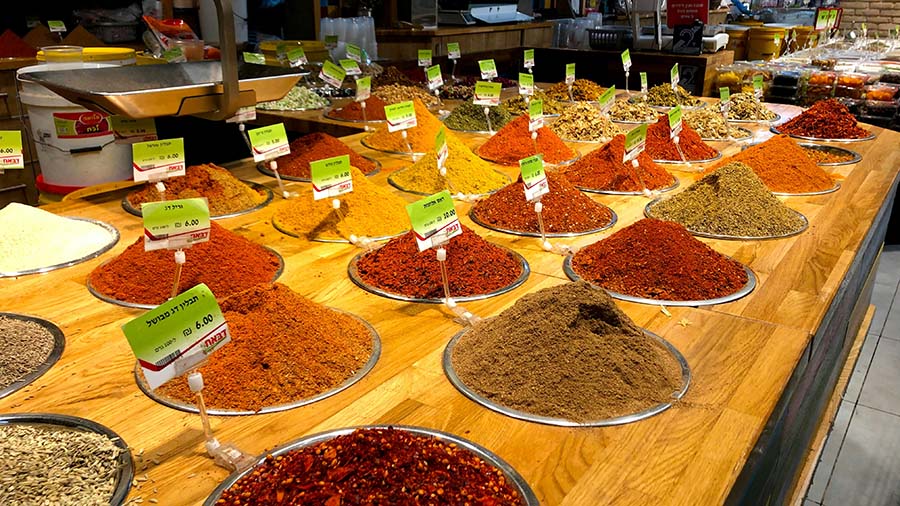
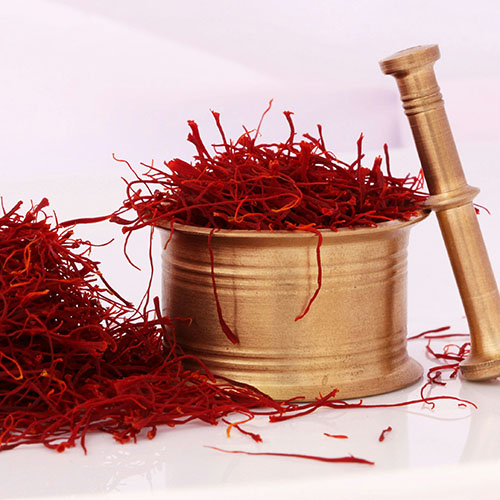
- Persian Saffron - The world's most precious spice, perfect for complementing luxury dishes
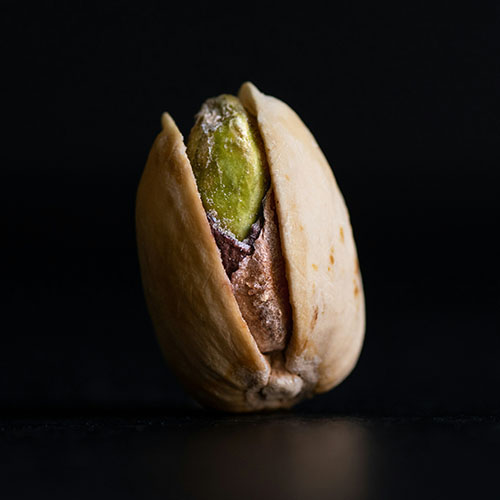
- Iranian Pistachios - Premium Kerman pistachios, another iconic Iranian export
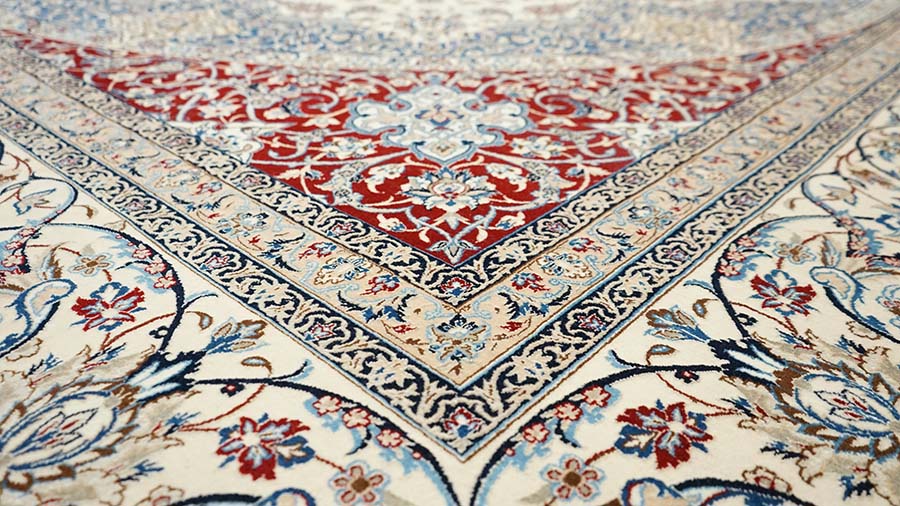
- Persian Carpets - Handwoven masterpieces representing centuries of artistic tradition
- Turquoise Jewelry - Traditional Persian jewelry featuring Iran's famous Neyshabur turquoise
- Persian Tea - Premium black tea from Iran's northern regions
- Rose Water - Traditional Persian ingredient used in both cuisine and cosmetics
Frequently Asked Questions About Persian Caviar
Ossetra: Medium eggs (2.5-3mm), golden brown to dark brown, nutty and complex flavor with excellent texture.
Sevruga: Smallest eggs (2-2.5mm), dark gray to black, bold and briny flavor, most accessible premium variety.
Each has distinct characteristics making them suitable for different occasions and preferences.
Expert Tips for Enjoying Persian Caviar
- Serving Temperature: Serve slightly chilled (0-3°C) - remove from refrigerator 5-10 minutes before serving
- Utensil Selection: Use mother-of-pearl, horn, or plastic spoons - metal can impart unwanted flavors
- Portion Control: 1-2 teaspoons per person is sufficient for tasting - caviar is meant to be savored
- Accompaniments: Keep accompaniments simple - blinis, crème fraîche, or plain toast points allow caviar's flavor to shine
- Storage Method: Store opened caviar with plastic wrap directly on surface to minimize oxidation
- Tasting Technique: Allow caviar to rest on your tongue to appreciate its texture and flavor development
By following this comprehensive guide, you'll be able to select, store, and enjoy authentic Persian caviar while appreciating its rich cultural heritage and exceptional quality. Whether you're a culinary connoisseur, luxury enthusiast, or simply appreciate the finer things in life, Persian caviar offers an unparalleled experience that combines tradition, craftsmanship, and extraordinary flavor in every delicate egg.



Customer Experiences (0)
Share Your Persian Caviar Experience