Iranian Handicrafts: Artistry in Every Piece
Iranian handicrafts represent over 3,000 years of artistic heritage, from intricate Persian pottery to exquisite metalwork and vibrant enamel art. Each piece tells a story of Persian culture, making them not just decorative items but historical artifacts. In this comprehensive guide, we'll explore the rich world of authentic Persian crafts, helping you identify genuine pieces and avoid mass-produced imitations.
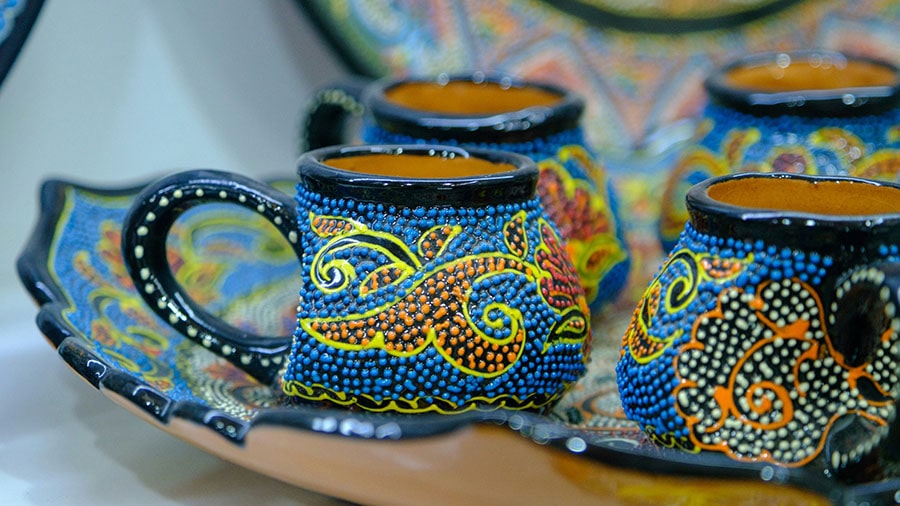
Traditional pottery workshop in Lalejin, Iran - The pottery capital of Persia
Why Iranian Handicrafts Are Unique and Valuable
Persian crafts stand out globally due to several distinctive characteristics that make them highly sought-after collectibles and investment pieces:
- Handmade Craftsmanship: Each piece is individually crafted by master artisans using techniques passed down through generations.
- Regional Specialization: Different Iranian cities specialize in specific crafts - Isfahan for Minakari (enamel work), Shiraz for Khatam Kari (wood inlay), and Tabriz for carpets.
- Natural Materials: Traditional artisans use locally-sourced materials including Persian turquoise, copper from Anarak mines, and clay from Lalejin.
- Cultural Symbolism: Patterns incorporate Persian mythology, poetry, and Islamic geometry with deep symbolic meanings.
- Investment Value: Authentic Persian handicrafts appreciate over time, with antique pieces fetching premium prices at international auctions.
Comprehensive Guide to Persian Handicraft Types
| Type | Description | Best For | Price Range |
|---|---|---|---|
| Minakari (Enamel Work) | Vibrant colored enamels fired onto copper or silver, featuring intricate floral patterns and calligraphy | Collectibles, decorative plates, jewelry boxes | $50 - $500+ |
| Khatam Kari | Intricate geometric wood inlay using brass, camel bone, and exotic woods in star patterns | Chess boards, jewelry boxes, frames | $80 - $1000+ |
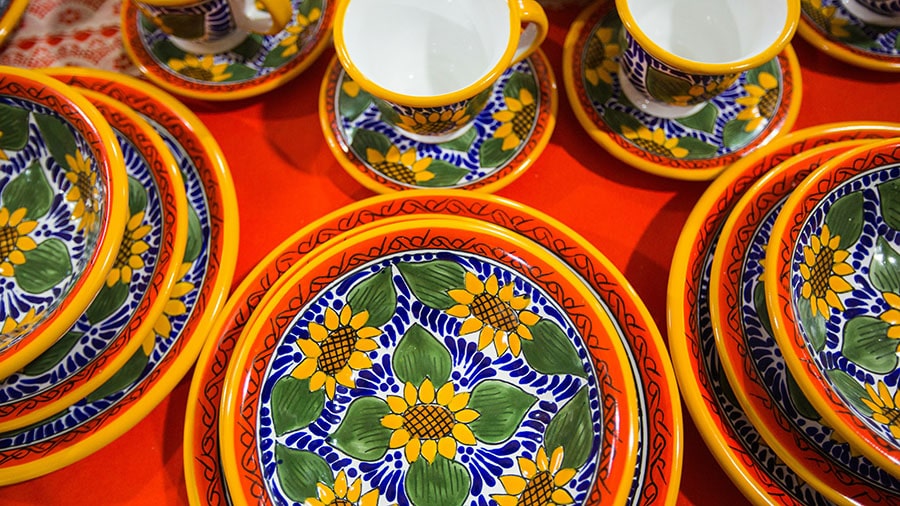
| Persian Pottery | Hand-painted ceramics with cobalt blue patterns, often featuring poetry and miniature scenes | Tableware, vases, decorative tiles | $30 - $300 |
| Ghalamzani (Metal Engraving) | Hand-engraved copper or brass trays depicting historical scenes and Persian motifs | Display pieces, serving trays, wall art | $60 - $400 |
| Termeh Weaving | Luxurious silk and wool textiles with paisley patterns, traditionally used for royal clothing | Tablecloths, scarves, wall hangings | $100 - $800 |
How to Identify Authentic Iranian Handicrafts (2026 Guide)
With increasing counterfeit products in the market, follow these expert tips to ensure authenticity:
- Artisan Signatures: Genuine pieces often feature the artisan's signature or workshop stamp, usually in Farsi calligraphy.
- Material Testing: Authentic copper pieces develop a natural patina over time, while fake ones maintain uniform color.
- Handmade Imperfections: Look for slight irregularities in patterns - perfect symmetry often indicates machine production.
- Regional Verification: Cross-check claimed origins with regional specialties (e.g., Minakari should come from Isfahan).
- Weight and Texture: Authentic pieces have substantial weight and smooth finishes without plastic-like textures.
- Certificate of Authenticity: Reputable sellers provide certificates detailing materials, artisan information, and origin.
Regional Guide to Persian Handicrafts
Understanding regional specialties helps verify authenticity and appreciate cultural context:
Isfahan: The Enamel Capital
Isfahan produces 70% of Iran's Minakari. Look for deep cobalt blues and intricate gold detailing. Authentic pieces feature traditional Persian garden motifs (Gol-o-Morgh).
Shiraz: Wood Inlay Mastery
Shiraz is famous for Khatam Kari, using up to 250 pieces per square inch. Genuine pieces show seamless geometric patterns without visible glue lines.
Tabriz: Carpet Weaving Excellence
While known for carpets, Tabriz also produces exquisite metalwork. Their copper engravings often depict scenes from Shahnameh (Persian Book of Kings).
Lalejin: Pottery Hub
Producing 80% of Iran's pottery, Lalejin crafts feature distinctive turquoise glazes and hand-painted poetry verses.
Using Persian Handicrafts in Modern Decor
Blend traditional crafts with contemporary interiors using these designer tips:
- Statement Walls: Create feature walls with framed Minakari plates or Termeh textiles.
- Mixed Material Tablescapes: Combine Persian pottery with modern tableware for eclectic dining settings.
- Lighting Solutions: Use pierced metal lanterns (Moshabak) for atmospheric lighting that casts intricate shadows.
- Cultural Corners: Designate an area for Persian crafts, mixing carpets with displayed metalwork and pottery.
- Contemporary Contrasts: Place traditional Khatam Kari boxes on minimalist furniture for dramatic contrast.
Expert Care and Preservation Guide
Proper care ensures your Persian handicrafts maintain value and beauty for generations:
- Cleaning: Use soft microfiber cloths for dusting. For metalwork, occasional polishing with natural lemon juice preserves patina without damage.
- Sunlight Protection: UV rays fade colors in Minakari and Termeh. Display away from direct sunlight or use UV-protective glass.
- Humidity Control: Maintain 40-50% humidity to prevent wood cracking in Khatam Kari and ceramic crazing.
- Storage Solutions: Wrap pieces in acid-free tissue paper and store in breathable cotton bags in climate-controlled spaces.
- Handling Protocol: Always handle with clean, dry hands. Wear cotton gloves for precious antique pieces.
Pro Tip: Investment Potential
Master artisan-signed pieces appreciate 10-15% annually. Early-career artisans' works offer the best investment potential. Follow our Persian carpet investment guide for similar appreciation principles.
Related Persian Products and Crafts
Expand your collection with these complementary Persian items:
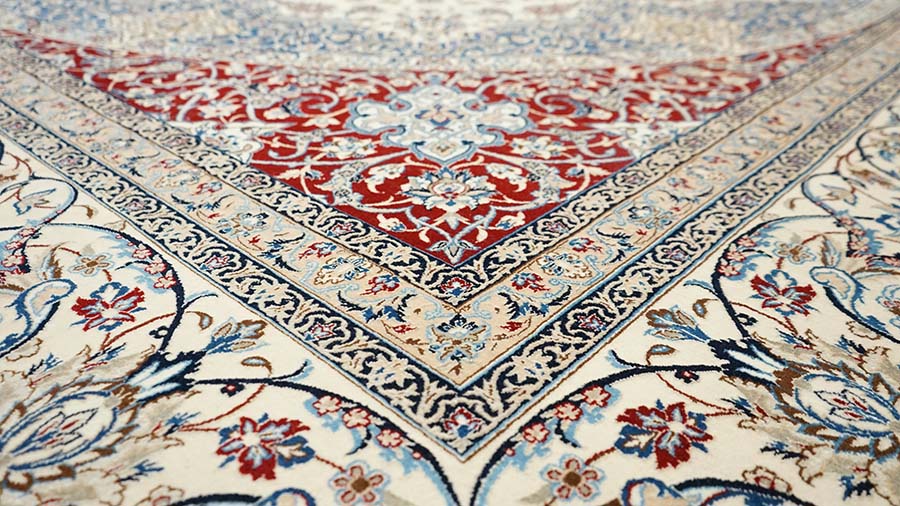
- Persian Carpets - The foundation of Persian decorative arts
- Persian Turquoise Jewelry - Often incorporates Minakari techniques
- Persian Ceramics - Historical pottery techniques still used today
- Persian Miniature Paintings - Similar artistic motifs on paper
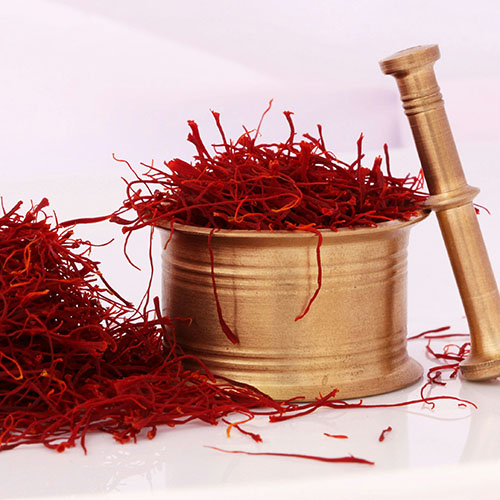
- Persian Saffron - Another valuable Persian export with rich history
Shipping and International Purchase Guide
When buying Persian handicrafts internationally:
- Customs Documentation: Ensure proper CITES certificates for materials like camel bone in Khatam Kari
- Insurance: Always insure shipments for full value plus 20% for potential appreciation
- Packaging Standards: Look for sellers using museum-grade packing materials
- Import Regulations: Check local regulations for antique items (over 100 years old)
Authenticity Guarantee
All handicrafts from Honest Guide Iran come with:
- Artisan identification and biography
- Materials certification
- 100-year preservation guide
- Market value appraisal certificate
- Lifetime authenticity verification service
2026 Market Trends and Collector Insights
Current trends in Persian handicraft collecting:
- Contemporary Fusion: Younger artisans blending traditional techniques with modern designs
- Sustainable Materials: Increased use of ethically-sourced materials and natural dyes
- Digital Verification: QR codes linking to artisan videos and authenticity certificates
- Female Artisans: Growing recognition of women master artisans in traditionally male-dominated crafts
- Micro-Collecting: Focus on specific regional styles or artisan families


Comments (0)
Leave a Comment