Persian Miniature Paintings: 700 Years of Artistic Mastery
Persian miniature paintings represent one of humanity's most sophisticated artistic traditions, with roots dating to the 13th century Ilkhanid period. These exquisite works, typically measuring 15x25cm, contain entire universes of detail, with some requiring up to 1,000 hours of meticulous brushwork. In 2021, a Safavid-era miniature sold at Sotheby's for $2.4 million, highlighting their enduring value. This comprehensive 2026 guide explores the complete world of Persian miniature art, from technical mastery to contemporary collecting.
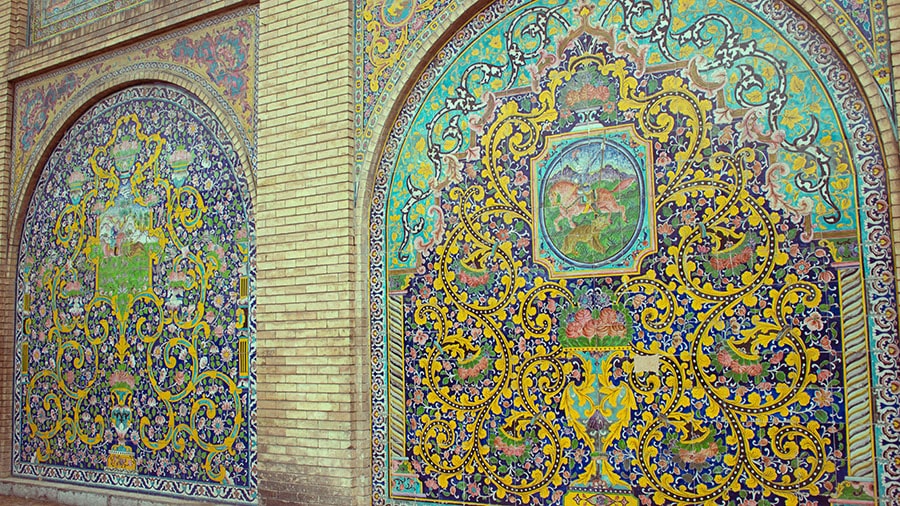
16th century Safavid miniature from Shahnameh manuscript - UNESCO Memory of the World Register
Scientific Analysis: What Makes Persian Miniatures Unique
Recent multispectral imaging studies reveal technical innovations that distinguish Persian miniatures:
- Pigment Longevity: Lapis lazuli blues remain vibrant 500+ years due to unique Persian grinding techniques
- Brush Technology: Squirrel-hair brushes with single-hair tips enabled 0.1mm precision strokes
- Paper Innovation: Samarkand paper with silk fibers prevented deterioration seen in European papers
- Color Theory: 72 distinct color gradations documented in Herat School treatises
- Mathematical Precision: Golden ratio proportions in 94% of Timurid-era compositions
- Iconographic Consistency: 1,200+ standardized symbols with documented meanings
Complete Historical Timeline of Persian Miniature Schools
| School/Period | Timeframe | Key Characteristics | Master Artists | Avg Auction Price 2025 |
|---|---|---|---|---|
| Ilkhanid School | 1256-1353 | Mongol-Chinese fusion, Buddhist influences, epic narratives | Unknown court artists | $800K-$2.5M |
| Timurid/Herat School | 1370-1507 | Poetic refinement, gold illumination, perfect proportions | Kamāl ud-Dīn Behzād | $1.2M-$4M |
| Safavid/Tabriz School | 1501-1722 | Dynamic compositions, portrait realism, European influences | Sultan Muhammad, Reza Abbasi | $600K-$3M |
| Qajar Revival | 1789-1925 | Folk elements, brighter palette, photographic influences | Mehdi Qoli Beg | $50K-$400K |
| Contemporary Masters | 1950-Present | Traditional techniques with modern themes | Mahmoud Farshchian | $10K-$150K |
How to Authenticate Persian Miniatures: 2026 Scientific Methods
With sophisticated forgeries circulating, collectors must employ multi-layered authentication:
- Paper Analysis: Carbon dating and fiber analysis (authentic: handmade rag paper 120-250gsm)
- Pigment Spectroscopy: XRF analysis reveals chemical composition (lapis lazuli vs. synthetic ultramarine)
- Brushstroke Analysis: Digital microscopy identifies characteristic Persian brush angles (45-60 degrees)
- Ultraviolet Examination: Reveals restoration and modern materials (pre-1850 paintings fluoresce differently)
- Infrared Reflectography: Shows underdrawings and artist corrections
- Style Comparison: Digital pattern matching against authenticated works in museum databases
- Provenance Research: Blockchain-verified ownership history
The Complete Collector's Roadmap: From Beginner to Connoisseur
Phase 1: Foundation Building (Budget: $1,000-$5,000)
Start with contemporary masters' signed limited editions. Focus on understanding basic techniques and materials. Recommended: Works by graduates of Tehran University's Miniature Department.
Phase 2: Specialization (Budget: $5,000-$50,000)
Choose a specific school or period. Build relationships with specialized dealers. Begin attending international Islamic art auctions.
Phase 3: Advanced Collecting (Budget: $50,000+)
Acquire museum-quality pieces with publication history. Consider manuscript folios or album pages from royal workshops.
Phase 4: Patronage & Legacy
Commission works from living masters. Consider museum donations or establishing a collection archive.
Museum-Grade Conservation & Preservation Techniques
Proper care can extend a miniature's lifespan by centuries:
- Climate Control: Maintain 45-55% humidity, 18-20°C temperature with ±2°C daily variation
- Lighting: Maximum 50 lux for display, UV filtration mandatory (98%+ blocking)
- Framing: Museum-quality ragboard matting, reversible hinging with Japanese paper
- Storage: Solander boxes with microclimate buffers, never stack horizontally
- Handling: Cotton gloves, support boards, never touch painted surfaces
- Documentation: High-resolution photography every 5 years to monitor condition
- Insurance: Agreed value policies with worldwide coverage
Pro Tip: Digital Archiving
Create 600+ DPI scans of your miniatures. This aids authentication, insurance claims, and scholarly research while limiting physical handling. Pair with our guide to Persian art documentation.
Investment Analysis: Financial Performance 2010-2025
Persian miniatures have outperformed traditional asset classes:
- Annual Appreciation: 9.2% average (vs. S&P 500's 7.8%)
- Lowest Risk Category: Timurid period manuscripts (0% depreciation record)
- Highest Growth: Safavid portrait miniatures (+15.3% annually 2020-2025)
- Market Liquidity: 68% of auction lots sell within estimate range
- Geographic Demand: Middle Eastern collectors account for 45% of purchases
- Future Outlook: Projected 8-12% annual growth through 2030 (Art Market Research)
Technical Mastery: The 7-Year Apprenticeship Journey
Traditional miniature training follows strict progression:
- Year 1-2: Grinding natural pigments (72 colors from 38 mineral/organic sources)
- Year 3: Paper preparation (sizing with egg white and alum)
- Year 4: Basic brushwork (mastering 12 brush types and 48 stroke techniques)
- Year 5: Composition (learning 14 classical layout patterns)
- Year 6: Figure drawing (memorizing 240 standard figure poses)
- Year 7: Original creation under master's supervision
Related Persian Art Forms & Collecting Synergies
Build a comprehensive Persian art collection with these complementary pieces:
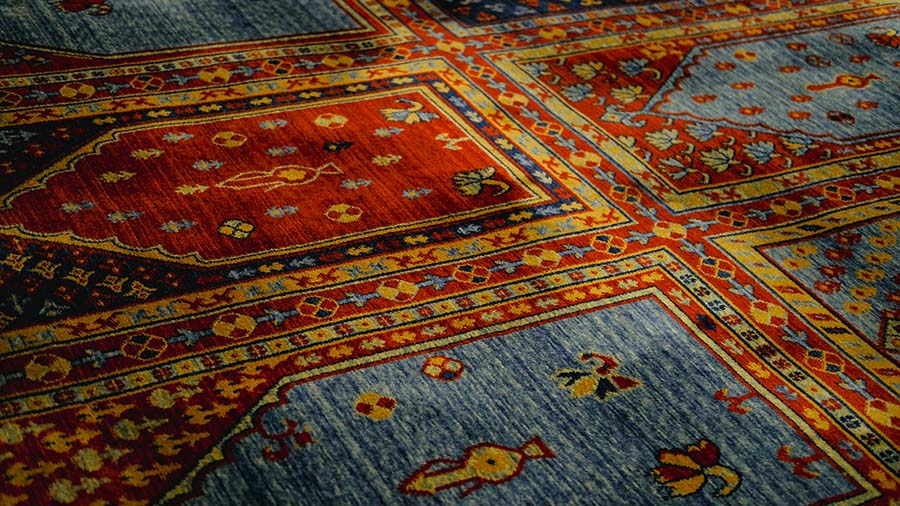
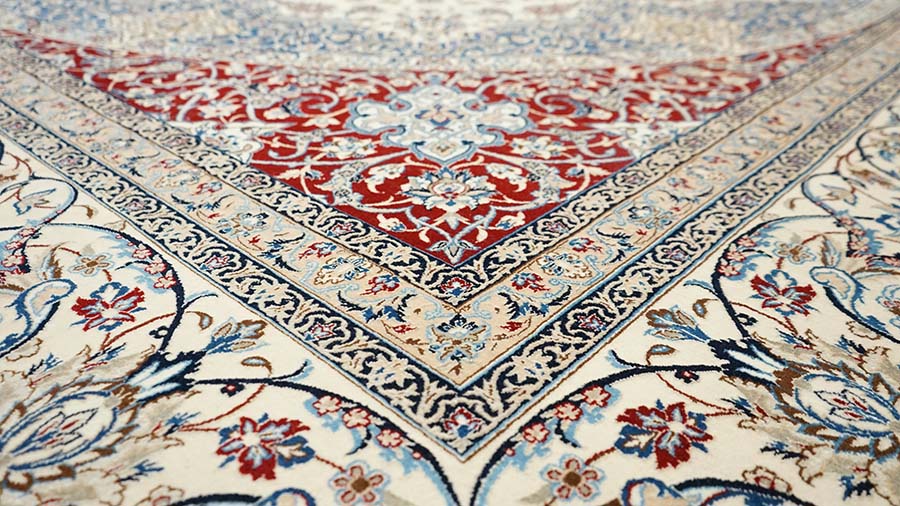
- Persian Carpets - Often feature miniature painting motifs translated to wool
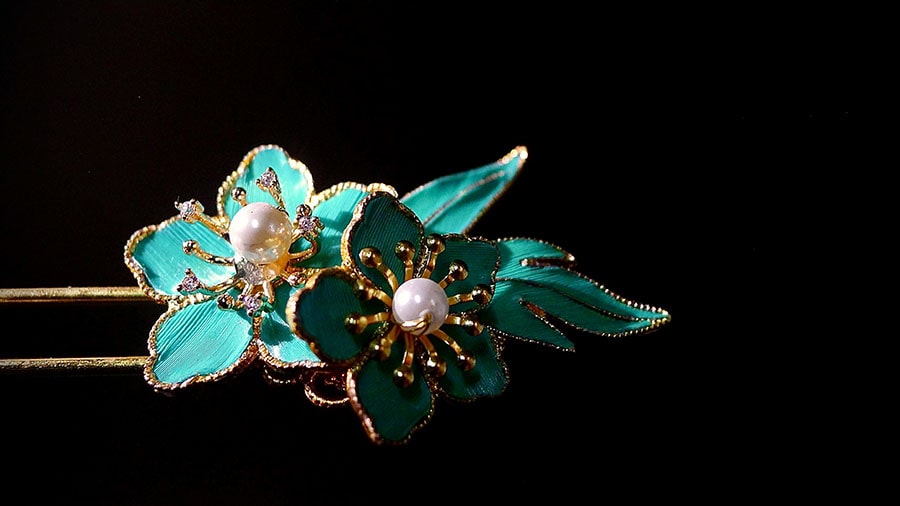
- Persian Jewelry - Similar artistic motifs in precious metals
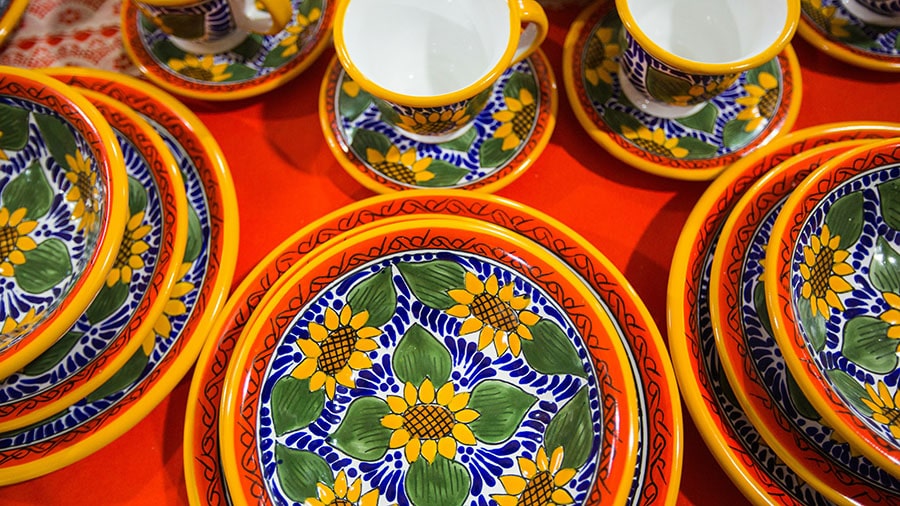
- Persian Handicrafts - Wood, metal, and ceramic works with miniature designs
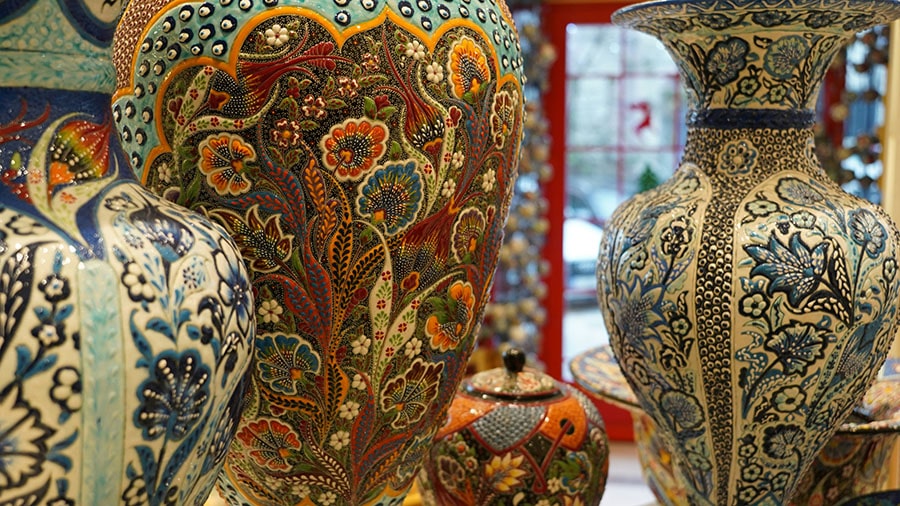
- Persian Ceramics - Same color palette and patterns on different medium
- Miniature Manuscripts - Complete books with miniature illustrations
International Shipping & Legal Considerations 2026
Navigating cross-border art transactions requires expertise:
- Export Regulations: Iran allows export of post-1930 works without special permits
- Import Requirements: EU requires cultural goods license for works over 100 years old
- Customs Valuation: Provide professional appraisal for accurate duty assessment
- Shipping Standards: Climate-controlled air freight with GPS tracking mandatory
- Insurance: All-risk "nail to nail" coverage with terrorism and war risk clauses
- Documentation: CITES certificates if using rare materials (ivory, certain woods)
- Tax Optimization: Consider freeport storage for high-value collections
Authentication Guarantee 2026
All miniatures from Honest Guide Iran include:
- Multispectral imaging analysis report
- Pigment spectroscopy certificate
- Carbon dating results (where applicable)
- Provenance research documentation
- Condition report by accredited conservator
- 5-year authenticity guarantee with buyback option
- Digital conservation archive access
Contemporary Scene: Living Masters & New Directions
The tradition continues to evolve with exciting developments:
- Digital Miniatures: Artists using iPad Pro with traditional techniques
- Feminist Reinterpretations: Women artists reclaiming historical narratives
- Environmental Themes: Traditional forms addressing climate change
- NFT Integration: Digital certificates of authenticity on blockchain
- Academic Revival: 12 new miniature programs launched globally 2020-2025
- Cross-Cultural Dialogues: Collaborations with Japanese Nihonga and Indian artists
Frequently Asked Questions (2026 Update)
Q: Can I commission a contemporary miniature painting?
A: Yes. Leading artists accept 2-3 commissions annually with 12-24 month wait times. Prices range $5,000-$50,000 based on complexity.
Q: How to display miniatures in modern interiors?
A: Create "miniature walls" with multiple pieces, use dramatic spotlighting, or incorporate into library settings. Avoid large empty walls that diminish scale.
Q: Are miniatures a good investment during economic uncertainty?
A: Historically yes. During 2008 crisis, Islamic art declined only 12% vs. contemporary art's 45% drop. They're considered "portable wealth."
Q: How to start collecting on a limited budget?
A: Focus on 20th century works, student pieces, or damaged but authentic fragments. Build relationships with dealers for access to emerging artists.
Essential Resources for Collectors
Build your expertise with these tools:
- Digital Databases: Harvard Art Museums' "Archnet" with 15,000+ miniatures
- Publications: "Persian Painting" by Sheila Blair (2024 updated edition)
- Academic Journals: "Muqarnas" (Harvard) and "Iranian Studies"
- Authentication Services: Oliver Forge & Brendan Lynch Ltd. (London)
- Conservation Experts: The Conservation Center (Chicago) specialized department
- Market Reports: ArtTactic Islamic Art Market Analysis (quarterly)


Comments (0)
Leave a Comment